




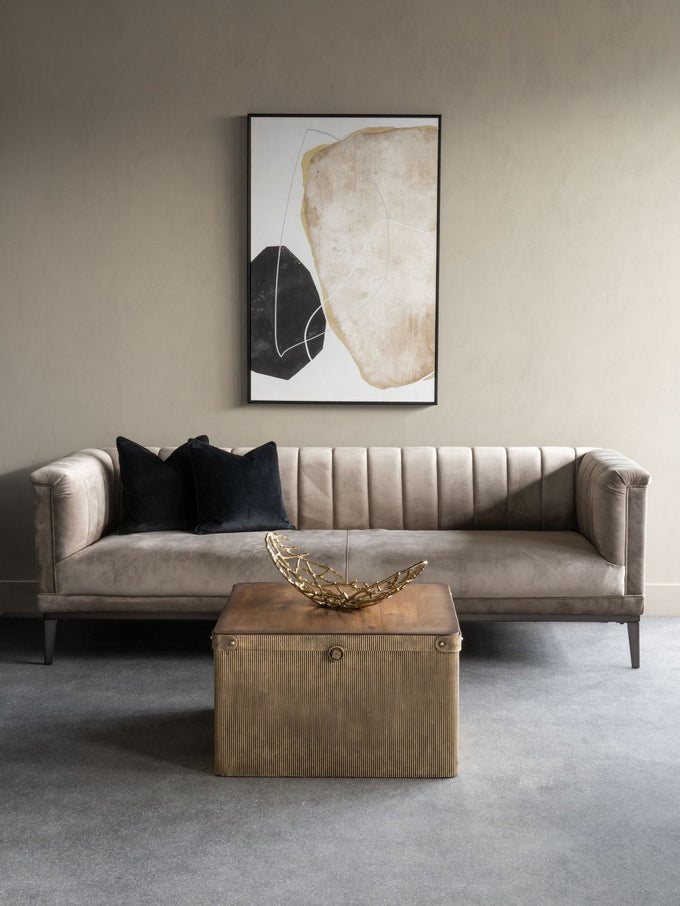
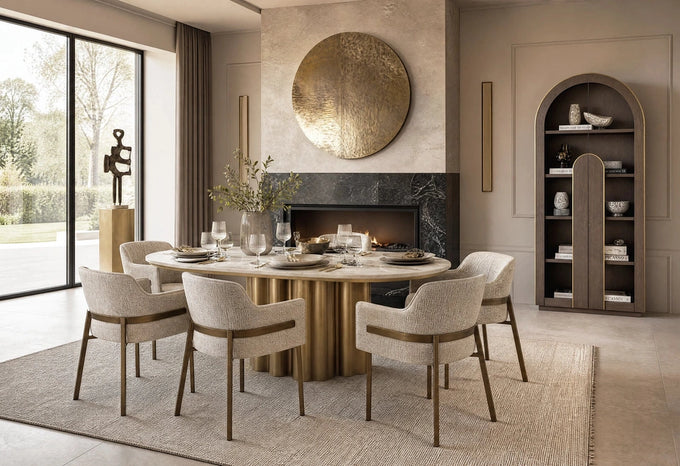
Walk into a room that feels instantly warm and expensive, and the trick is almost never the furniture — it is the lighting. Specifically, it is that the room has more than one kind of light, at more than one height, on more than one switch. Interior designers call this layering, and it is the single cheapest upgrade available to most living rooms. Here is how to build it.
The three layers
Ambient light is the room's general illumination — usually a ceiling light or chandelier. Its job is background: enough light to move around by, never so much that the room feels like an office.
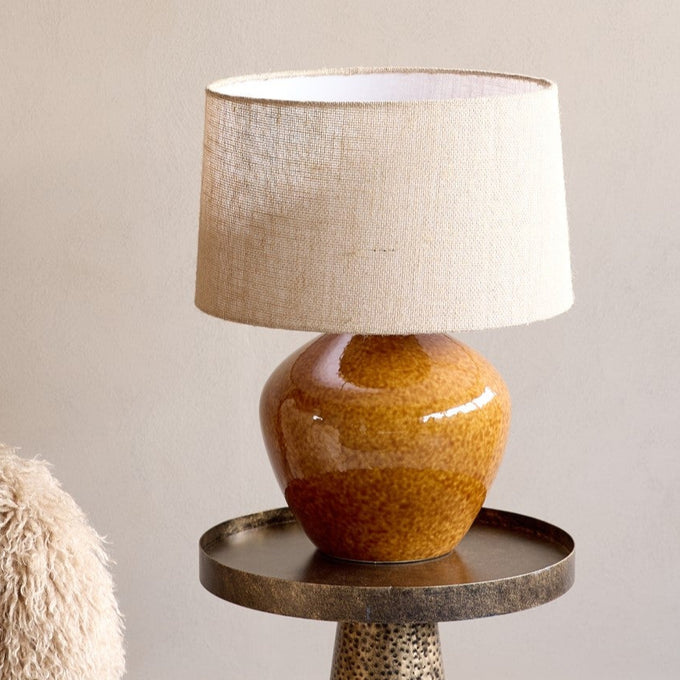
Task light is focused light where you actually do things — a floor lamp beside the reading chair, a table lamp on the console behind the sofa. Task lighting is what lets you turn the ceiling light off in the evening, which is when a room starts to feel like a home.
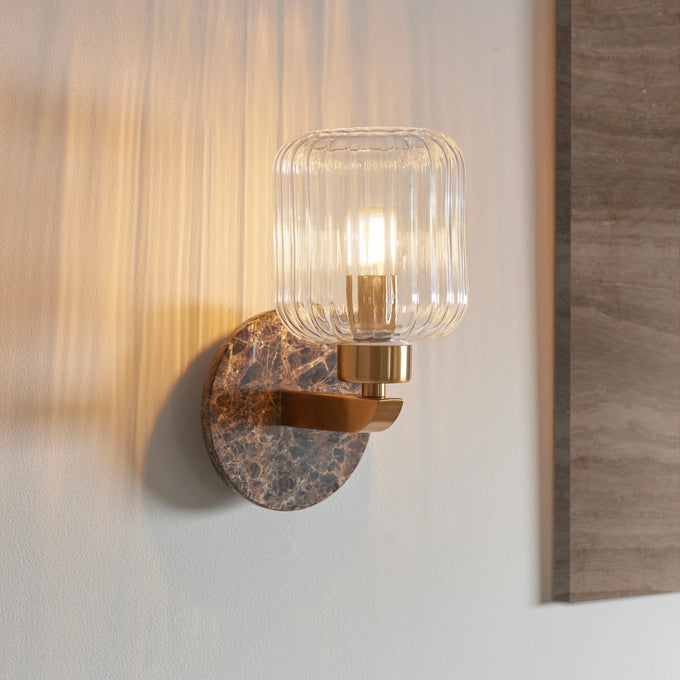
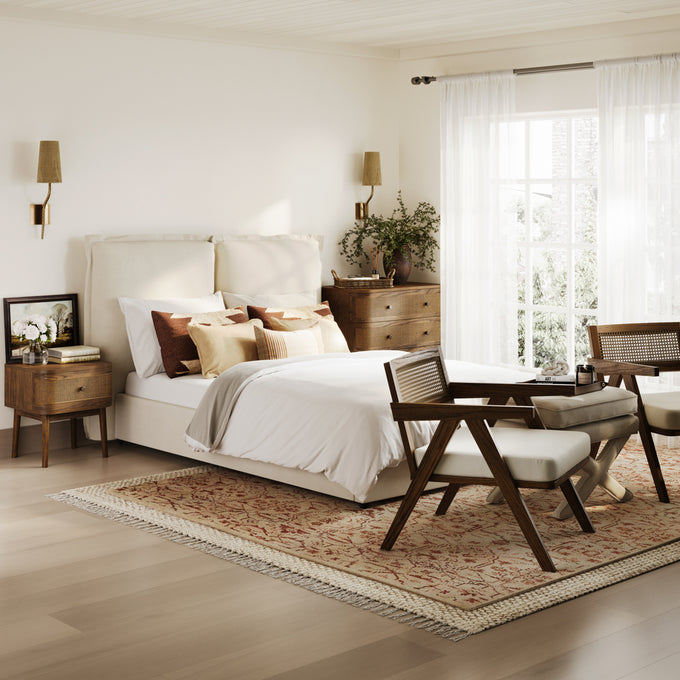
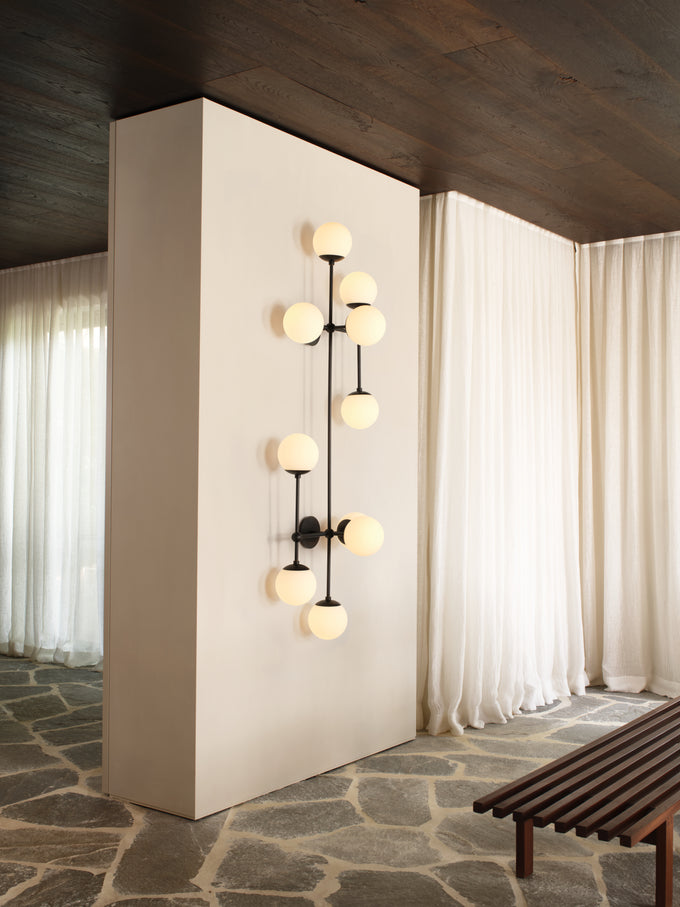
Accent light is decoration: wall lights washing a chimney breast, a picture light over art, a lamp glowing in a dark corner. Accent light creates the pools of brightness and shadow that give a room depth — a room lit evenly from the ceiling alone always falls flat.
A comfortable living room usually carries five to seven light sources across the three layers. That sounds like a lot until you count a well-lit room you admire.
Sizing a chandelier or pendant
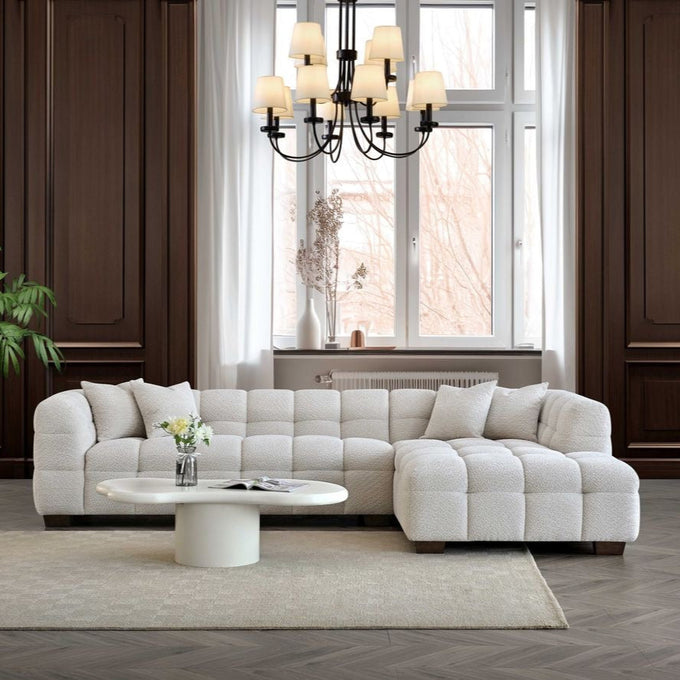
The classic designer's rule still works: add the room's length and width in feet, and that number in inches is a sensible chandelier diameter. A 12ft × 15ft living room (roughly 3.7m × 4.6m) wants a fitting around 27 inches — about 70cm — across. Err larger rather than smaller; the most common lighting mistake in generous rooms is a fitting that looks like a button on a coat.
For hanging height: in rooms where people walk beneath the fitting, keep the lowest point at least 2.1m from the floor. Over a dining table, lower is better — roughly 75–90cm above the tabletop — so the light pools on the table and faces, not the ceiling.
Where wall lights go
Fit wall lights with their centre roughly 150–170cm from the floor — eye level, give or take — and space pairs about 2.5–3m apart. Flanking a chimney breast, a mirror or a piece of art is their natural habitat. If you are renovating, run wall lights on their own switch or dimmer circuit: they are the layer you will use most in the evening.
Bulbs: the part everyone gets wrong
Colour temperature makes or breaks the scheme. For living spaces, choose bulbs marked 2700K (warm white) — the colour of traditional incandescent light. 4000K "cool white" bulbs belong in utility rooms and garages; in a sitting room they make expensive furnishings look like a waiting room. Keep every bulb in the room the same temperature — mixed temperatures are why some rooms feel subtly wrong.
Dimmers are not a luxury; they are the difference between one room and three. The same space can be bright for cleaning, moderate for family evenings and low for guests — from the same fittings. If you dim LEDs, buy bulbs marked dimmable and pair them with an LED-compatible dimmer to avoid flicker.
A simple plan for a typical living room
- Centre: a ceiling light or chandelier sized by the rule above, on a dimmer.
- Sofa corner: a floor lamp arching over or standing beside the seat — tall enough that the shade sits above seated eye level.
- Console or sideboard: one or two table lamps — a pair reads as deliberate and symmetrical, one reads as relaxed.
- Walls: wall lights or a picture light on the room's best feature.
- Dark corner: every room has one; put light in it. A slim floor lamp or a lamp on a plant stand stops the corner swallowing the room after dusk.
Statement fittings
If the room's architecture is plain, let lighting be the jewellery. A sculptural chandelier over a seating area, an oversized pendant in a double-height hall or a pair of dramatic lamps on a console will do more for a room than another cushion ever can. Browse our chandeliers and full lighting collection for the statement end of the spectrum.
Lighting is also the easiest thing to get help with: tell us the room's dimensions and what happens in it, and our team can sketch a layered scheme around pieces we stock — we have been doing exactly that for customers since 1979.